The information website for the new vitamin - A new vitamin - vitamin A5:
1) Facts and perspectives on the new vitamin A5
Relevant for pharmacies, nutritionists, dieticians, ecotrophologists, doctors and the general public.
A simple summary of the latest research and perspectives on the new vitamin, vitamin A5.
2) The first newly identified vitamin in 80 years
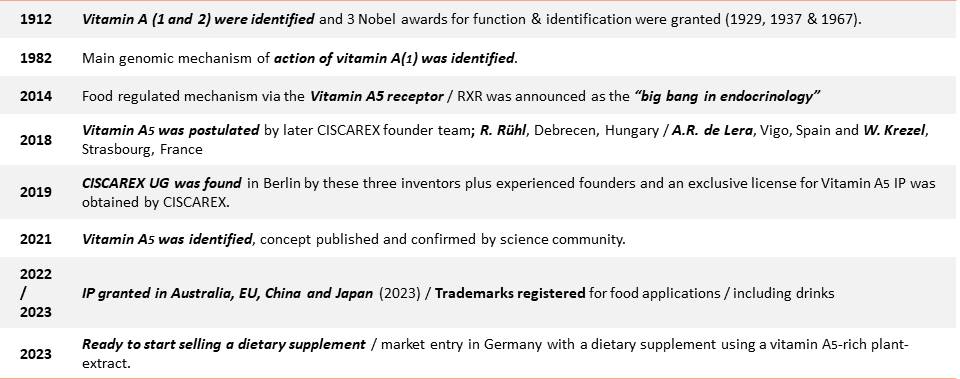
Timeline of vitamin A research:
3) A vitamin is postulated / predicted
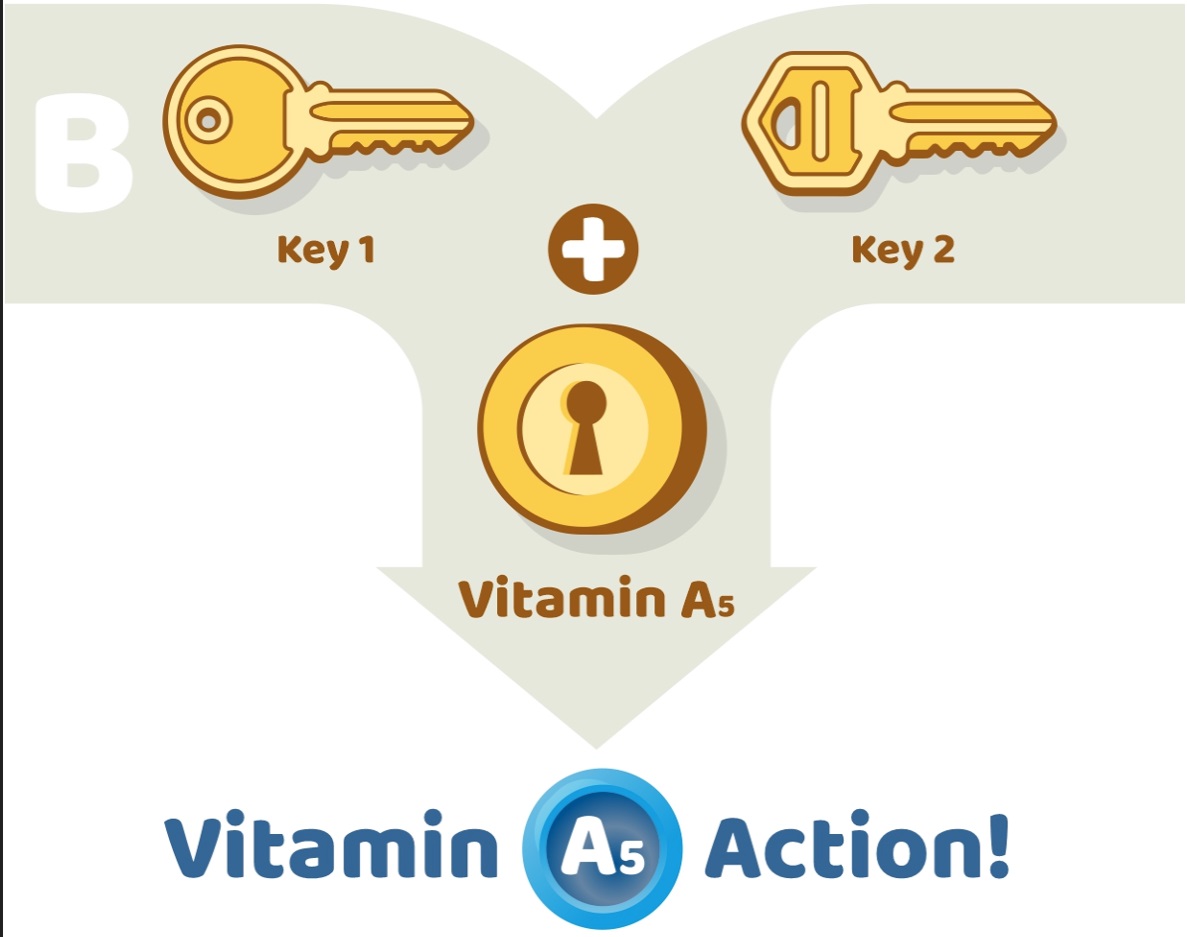
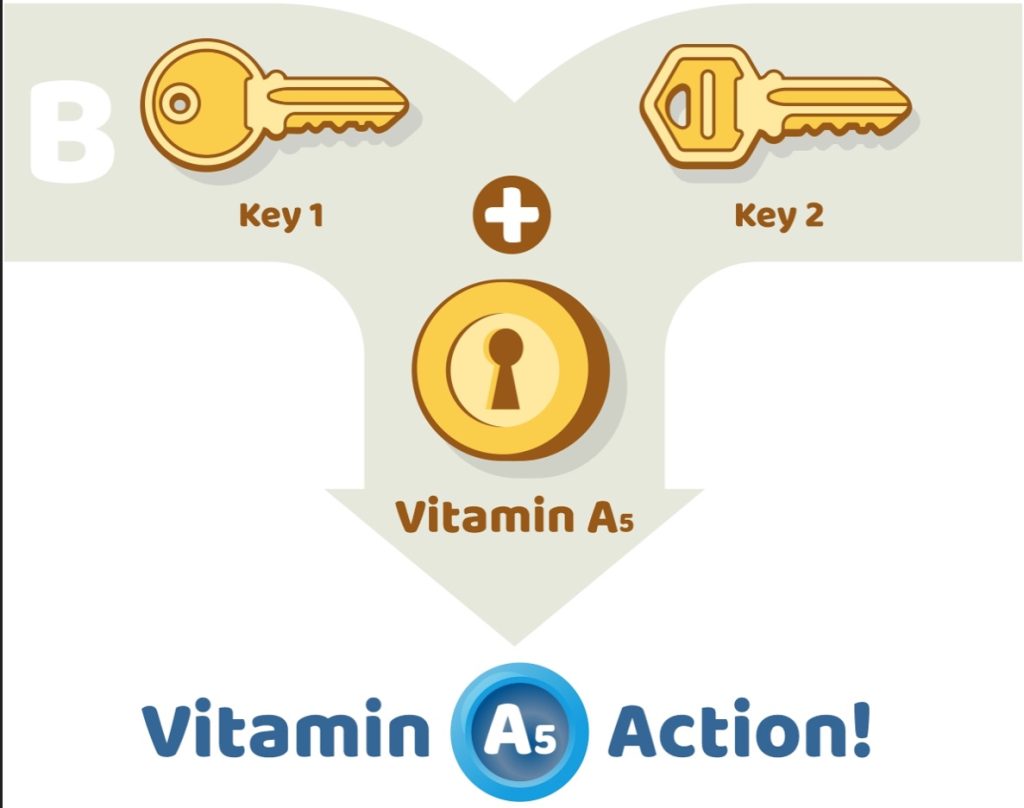
The retinoid X receptor (RXR / Lock) is a protein that acts as a receptor for substances (key) from food. In our body, this RXR receptor mediates the individual effect of personal food intake on control processes relating to functions of the nerves and brain, the immune system, adipose tissue and the cardiovascular system in our body.
So far, no substance derived directly or indirectly from food has been found that can activate this RXR receptor in a relevant concentration range.
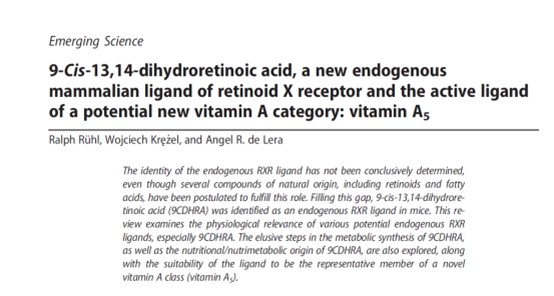
It was predicted in an article from 2018 that there is a new concept based on the identification of an active substance (9-cis-13,14-dihydroretinic acid / 9CDHRA) that can activate this RXR receptor in a food-relevant concentration range. Precursors of this substance such as 9-cis-13,14-dihydro-beta-carotene (9CDHBC) and 9-cis-14,14-dihydroretinol (9CDHROL) have been postulated as a new vitamin, vitamin A5 (Rühl et al. Nutr. Rev 2015, 76 (12), 929-941).
4) 2021, This postulated new vitamin is found and identified by laboratory tests
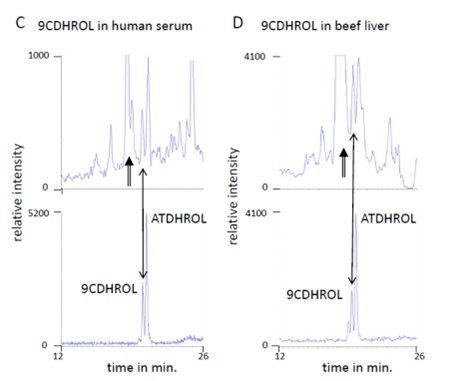
These new substances 9-cis-13,14-dihydro-beta-carotene (9CDHBC) and 9-cis-14,14-dihydroretinol (9CDHROL) were detected in the human organism and were shown to be the relevant dietary precursors for the active ligand 9CDHRA, which activates the RXR. These two nutritionally relevant precursors have now been labelled as vitamin A5 and their active substance as vitamin A5 acid.
It was also shown that this vitamin A5 has important functions in the area of memory functions. In our laboratory tests, vitamin A5 can improve memory functions by up to 50%. No other dietary substance or known drug has this potential.
Based on these great research results, the three scientists and their universities have patented this vitamin A5 worldwide and founded a start-up company in Berlin.
5) Vitamin A / A1 is not vitamin A5
It was also shown that vitamin A1 cannot (or only very, very little) be converted to vitamin A5 acid. We therefore have a new independent mechanism for a new independent vitamin, vitamin A5.
Vitamin A5 must therefore be absorbed independently of vitamin A1 and more vitamin A1 intake does not increase vitamin A5 and does not increase vitamin A5-mediated effects in our body.
6) Vitamin A5 is good for the brain and nerves
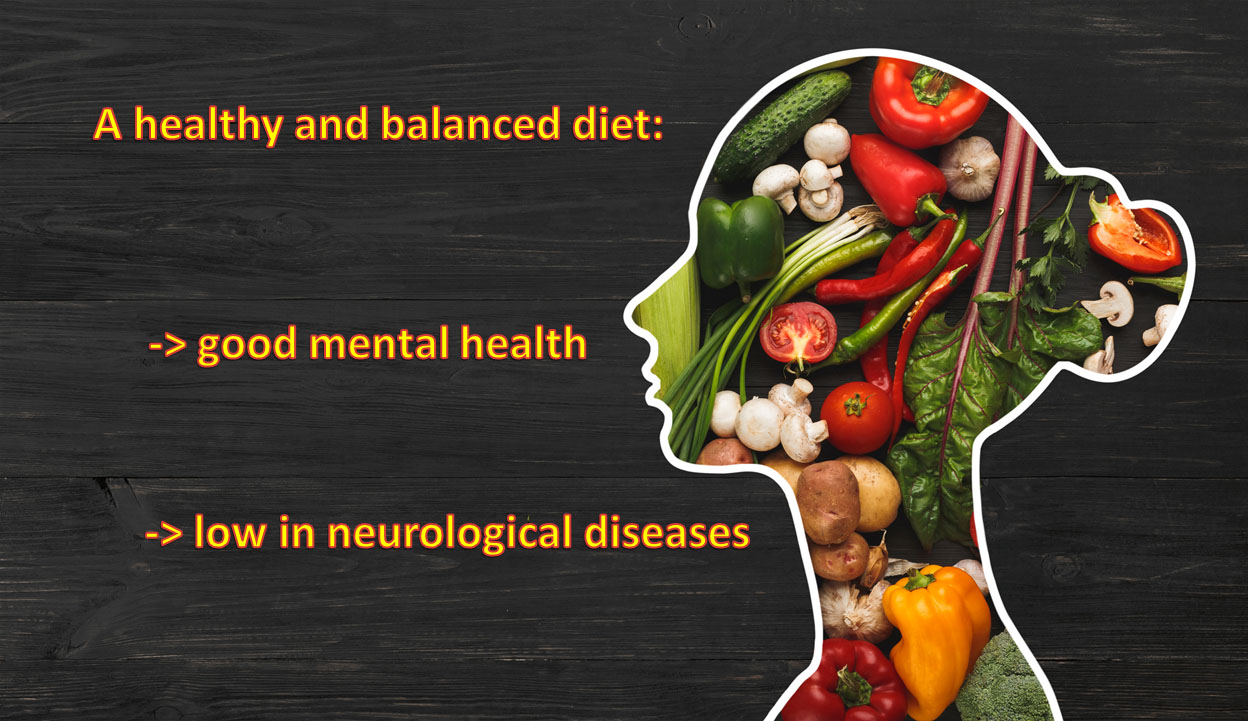
The RXR receptor is involved in many functions that are important for the brain and nerves and thus the activator (key) of the RXR (lock), vitamin A5 acid derived from vitamin A5, stimulates these effects. These RXR-mediated effects are important for the prevention of poor mental health with its signs of memory problems, mental stress, anxiety, dissatisfaction and irritability.
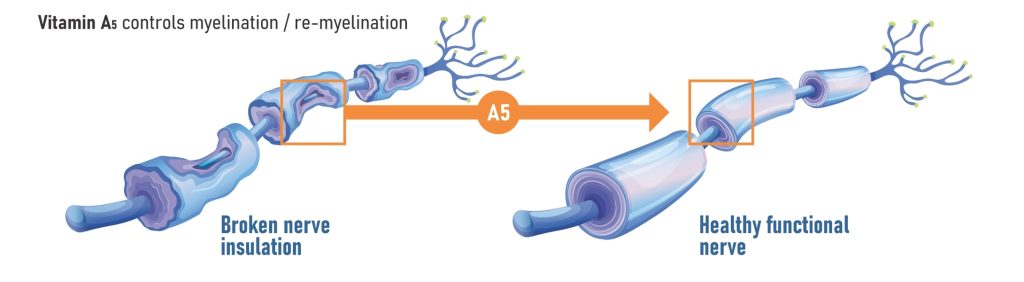
In addition, these RXR-mediated mechanisms of action are important for the prevention of neurological diseases such as neurodegenerative diseases (Alzheimer´s disease, Parkinson´s disease and dementia), demyelinating diseases (multiple sclerosis) and mental disorders (schizophrenia, major depressive disorder and substance misuse disorders).
7) Which mechanisms exactly influence this vitamin A5-RXR mediation of action?
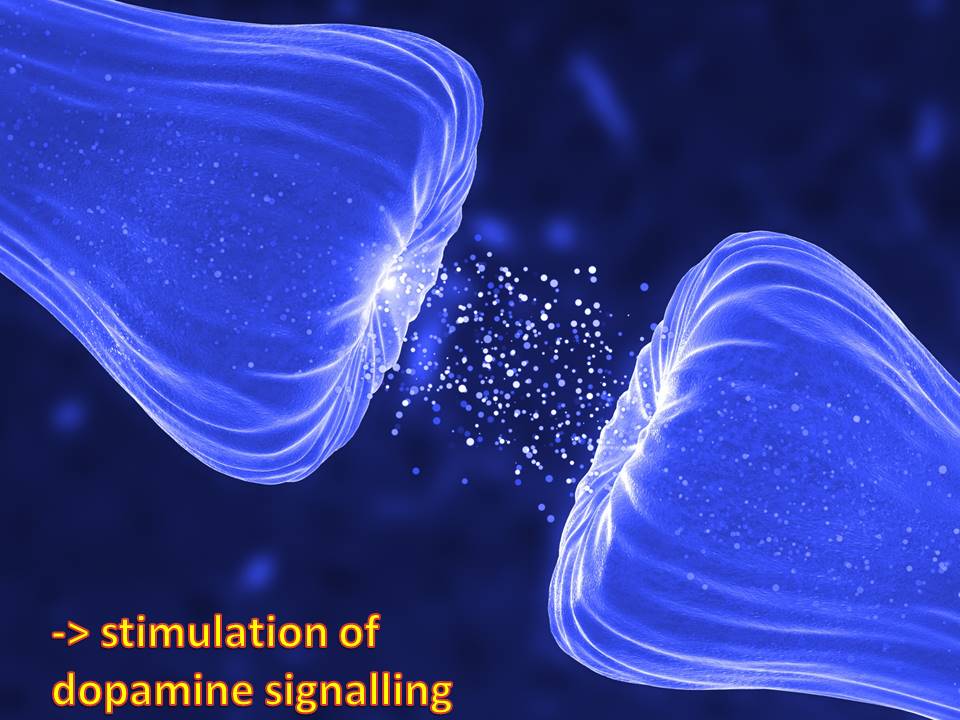
Myelination / re-myelination and b) stimulation of dopamine signalling
8) Vitamin A5 and food
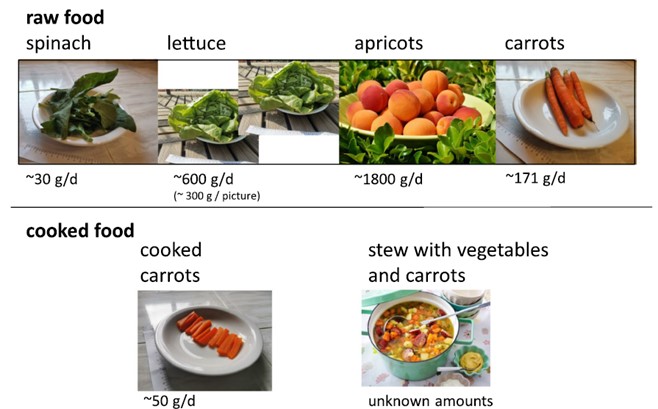
Vitamin A5 is found in the following foods and products:
9) The intake of vitamin A5 is too low in our western society and western diet
We demonstrably eat too little vitamin A5 every day:
– a healthy varied diet is the recommended “5 A Day” diet with 5 handful portions of fruit and vegetables per day
– Unfortunately, only around 5 – 15% of the population in Western societies follow this recommendation and therefore have a sufficient daily vitamin A5 intake
– This means that 85 – 95% of Western society does not consume enough fruit and vegetables and this proportion of the population also has thereby an insufficient daily intake of vitamin A5.
10) What should be done?
a) Eat a healthy diet with a sufficient amount of fruit and vegetables and / or b) an additional intake of vitamin A5 through special food supplements rich in vitamin A5.
11) Are vitamin A5 supplements safe?
Yes, even 80 times the daily dose (a commercial vitamin A5 supplement contains exactly the daily dose) is safe for our health.